
The Ultimate Guide to Starting Your Football Programme Collection for Beginners
- Programme Vault
- Jan 10
- 3 min read
Collecting football programmes offers a unique way to connect with the history and culture of the sport. Whether you are a lifelong fan or new to the hobby, football programmes provide a tangible link to memorable matches, legendary players, and iconic stadiums. Starting your collection can feel overwhelming, but with the right approach, it becomes an enjoyable and rewarding pursuit. This guide explains how to begin collecting football programmes, what to look for in terms of condition, why cup matches often hold greater value, and why programmes over 50 years old are especially prized.

Why Collect Football Programmes?
Football programmes are more than just matchday souvenirs. They capture the spirit of the game at a specific moment in time. Each programme tells a story through team line-ups, player profiles, match previews, and advertisements that reflect the era. Collecting football programmes allows fans to preserve these stories and celebrate the sport’s rich heritage.
For beginners, collecting football programmes is accessible and affordable compared to other sports memorabilia. You can start with programmes from your favourite club or significant matches and gradually expand your collection. The thrill of finding rare or well-preserved items adds to the excitement.
How to Start Collecting Football Programmes
1. Define Your Focus
Before buying football programmes, decide what interests you most. Some collectors focus on:
A single club’s programmes across many years
Specific competitions like the FA Cup or League Cup
Historic matches or finals
Programmes featuring famous players or managers
Having a clear focus helps you build a meaningful collection and makes it easier to spot valuable items.
2. Learn About Condition and Grading
The condition of a football programme greatly affects its value. When examining programmes, consider:
Cover quality: Look for tears, creases, fading, or stains. A clean, vibrant cover is ideal.
Pages: Check for missing or loose pages, writing, or marks inside.
Binding: Ensure the spine is intact and pages are firmly attached.
Smell and texture: Musty or damp smells can indicate water damage.
Programmes are often graded as Mint, Near Mint, Very Good, Good, or Poor. Aim for the best condition you can find within your budget. Even small imperfections can reduce value, but some wear is expected in older items.
3. Where to Find Football Programmes For Sale
You can find football programmes for sale through various channels:
Online marketplaces: Websites like eBay offer a wide range of programmes from different eras and clubs.
Specialist dealers: Some dealers focus exclusively on football memorabilia and can provide expert advice.
Football club shops: Some clubs sell reprints or original programmes at matches or online.
Fairs and auctions: Sports memorabilia fairs and auctions are great places to discover rare items and meet other collectors.
When buying, always check seller ratings and ask for detailed photos to assess condition.
Why Cup Match Programmes Hold More Value
Cup matches, especially finals and significant rounds, tend to hold greater value than regular league matches. Here’s why:
Historic significance: Cup matches often feature memorable moments, upsets, or legendary performances that fans cherish.
Limited print runs: Cup programmes are usually printed in smaller quantities compared to league games, making them rarer.
Higher demand: Collectors and fans seek these programmes for their emotional and historical importance.
For example, an FA Cup final programme from the 1950s or 1960s can be worth several times more than a regular league programme from the same period. Similarly, early-round cup matches featuring underdog teams can become valuable if those teams later achieve success.
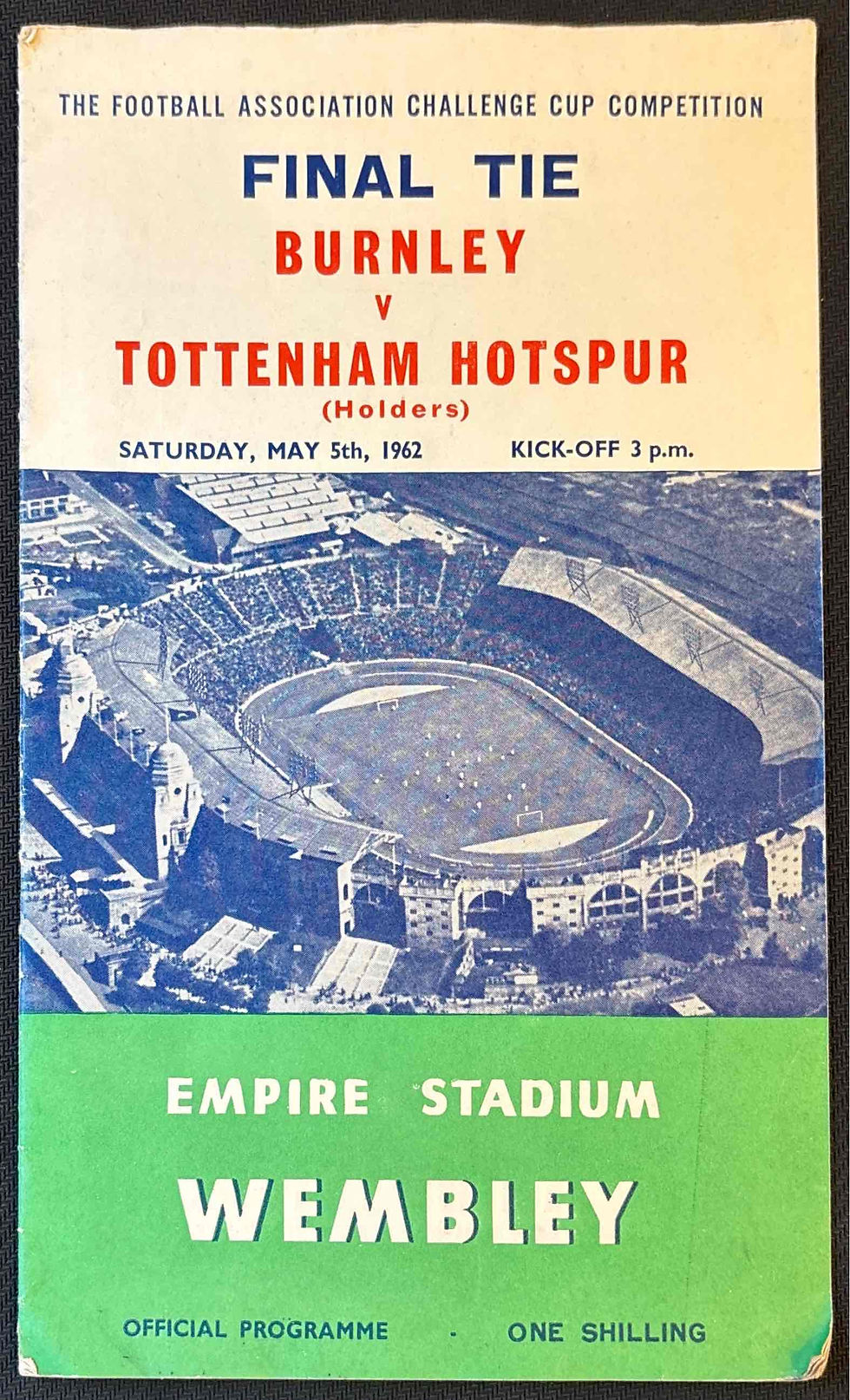
The Importance of Age: Seek Programmes Over 50 Years Old
Programmes over 50 years old are particularly sought after by collectors. Here’s why age matters:
Rarity: Older programmes are harder to find in good condition due to the passage of time and fragility of paper.
Historical context: They offer a glimpse into football’s past, including changes in rules, kits, and stadiums.
Investment potential: Vintage programmes often appreciate in value, especially those linked to famous matches or players.
For example, a programme from the 1923 FA Cup final, known as the “White Horse Final,” is a prized collector’s item due to its historical significance and rarity.
When buying older programmes, be prepared to pay more for those in excellent condition. It’s also wise to verify authenticity, as reproductions exist.
Tips for Building and Maintaining Your Collection
Store programmes properly: Use acid-free sleeves or folders to protect from dust, light, and moisture.
Keep a record: Maintain a catalogue of your collection with details like date, match, condition, and purchase price.
Join collector communities: Online forums and local clubs can provide valuable advice and trading opportunities.
Attend events: Memorabilia fairs and auctions offer chances to find rare programmes and meet experts.
Be patient: Building a quality collection takes time. Avoid rushing purchases or overpaying for items.


Comments